In short: to protect your home from burglary, UK police crime-prevention guidance — from the Metropolitan Police's burglary pages to the advice published on police.uk — is remarkably consistent about what works, and in what order:
- Lock everything, every time, and upgrade weak hardware. Most burglars come in through a door or window that was easy to force — or simply left open.
- Make the house look occupied. Lights on timers, post cleared, a car on the drive: occupancy is the strongest deterrent in offender interviews.
- Fit a visible alarm, and lighting. Both raise the noise and the risk, and mark the house as a harder target.
- Secure the perimeter. Lock side gates, put ladders and tools away, secure sheds and garages.
- Control your keys. Know who holds copies, never hide a spare outside, and treat gate and garage remotes as keys too.
That is the whole strategy; the rest of this article is the how. Two notes of transparency first. What follows draws on public police guidance and is general information, not advice for your specific case. And 1Control does not make or sell alarms or cameras — we make devices that control access to the front door, the gate and the garage. That is why this guide can afford to be neutral about every product category it mentions, and precise about the one measure the market talks about least: the keys.
What actually deters burglars: time, noise, uncertainty
Most burglaries are opportunist crimes, not heists. The offender research that police forces and insurers keep commissioning tells the same story: a burglar walks or drives past, weighs up a street in seconds, and picks the house that promises the fastest, quietest, most predictable job. That gives the defender three levers. Time — every lock, bolt and reinforced pane stretches the seconds a break-in takes, and long jobs get abandoned. Noise — gravel underfoot, a barking dog, an alarm sounding, a neighbour with a clear view all raise the cost of being heard. Uncertainty — lights behind curtains, sounds inside, no way to tell whether someone is home. Nothing on that list is exotic; the houses that get skipped simply stack the three levers higher than the house next door.
A visible burglar alarm contributes to two of the three, which is why it belongs on the list — but choosing one, wired or wireless, DIY or professionally monitored, is a decision of its own with its own trade-offs. We keep that separate: our honest guide to home security and burglar alarms covers the alarm market from top to bottom; this article stays with what deters and resists.
Doors and windows: mechanical protection before electronics
Electronics signal; mechanics resist. In that order of importance, the door and the windows come before anything with a battery, because they are what the burglar actually touches.
The front door. Most UK front doors fitted since the mid-2000s are uPVC or composite, with a multipoint lock driven by a euro profile cylinder. The multipoint hardware is generally sound; the historic weak point is the cylinder itself — basic euro cylinders can be snapped in seconds with hand tools, a technique common enough that police-backed guidance such as Secured by Design recommends higher-security, anti-snap rated cylinders. Upgrading a cylinder is a ten-minute, screwdriver-level job, which makes it one of the best-value improvements in this whole article. On older timber doors, the equivalents are a British Standard mortice deadlock and sound hinges; on any door, a chain or door restrictor adds a layer for the doorstep conversation.
Windows. Ground-floor and easily reached windows are the second-favourite entry. Key-operated window locks, laminated glass where a pane is the weak spot, and the simple habit of locking them when you leave cover most of the risk. The flat roof over an extension and the window above it count as ground floor from a burglar's point of view.
The perimeter. A locked side gate forces a climb in view of the street; a locked shed keeps your own ladder and tools from becoming the burglar's kit. Trimmed hedges and a gravel path do quiet, permanent work.
What UK police advice covers — and the self-defence question
The police.uk crime-prevention pages, the Metropolitan Police's burglary advice and Secured by Design cover the physical measures above in detail, generally free of charge, and are worth reading in their own right — they also cover property marking, Neighbourhood Watch and what to do after a burglary. One question they answer that this guide will only point to: can you defend yourself against a burglar in the UK? The law recognises the right to use reasonable force in self-defence, and official guidance from the Crown Prosecution Service explains what "reasonable" means when someone confronts an intruder. That is general information, not legal advice — and the honest reading of the whole body of police guidance is that its purpose is for that situation never to arise. Every measure in this article works while you are asleep or away, which is exactly the point: prevention that does not depend on anyone being brave.
The keys: the entry no one has to force
Now the measure the brochures skip. A share of burglaries involve no forced entry at all: the door was opened with a key. Count the keys to your home that are out in the world — the cleaner, the dog sitter, the builder who kept one for the renovation, the previous owner, the friend-of-a-friend arrangement nobody remembers ending. A metal key can be copied without your knowledge and lent on without your consent; there is no list anywhere of how many copies exist, and you cannot revoke one. Every lever in this article — time, noise, uncertainty — is zeroed by a key: the entry is fast, silent and certain. The same logic sits in the glovebox: a gate or garage remote is a key too, and it opens for a thief as obligingly as for you — our guide on a lost or stolen gate remote covers that emergency step by step.
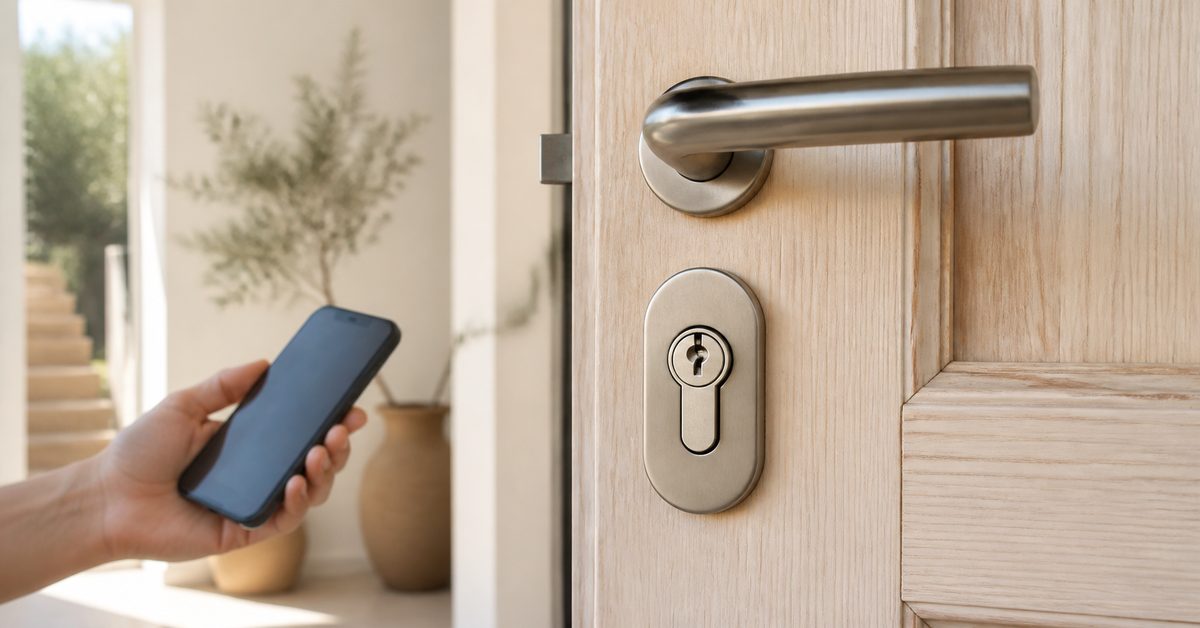
This is the problem DORY exists for. DORY is a smart lock that replaces the euro profile cylinder in the door — the format standard on most modern UK composite and uPVC doors; older timber doors with a rim night latch or a mortice deadlock are a different format, so checking your cylinder comes first. With DORY fitted, a key stops being an object and becomes a permission: you grant a digital key from the app, limit it to the days and hours it is needed — Tuesday mornings for the cleaner, this fortnight for the builder — and revoke it the instant an arrangement ends, with no locksmith and no wondering about copies. Every opening is logged with a date and a time, and the mechanical key keeps working as a permanent fallback. It is a one-off purchase, with no subscription.
And plainly, because this guide promised honesty: DORY is not an alarm. It does not sound, it does not detect intruders, and it does not watch anything — it governs who can open the door, and when. The entry history shows who opened the door, and when; on the outdoor side, the LINK hub with the optional sensors can notify you when the gate or garage opens and closes. It closes the key gap; the alarm and the hardware still do their own jobs.
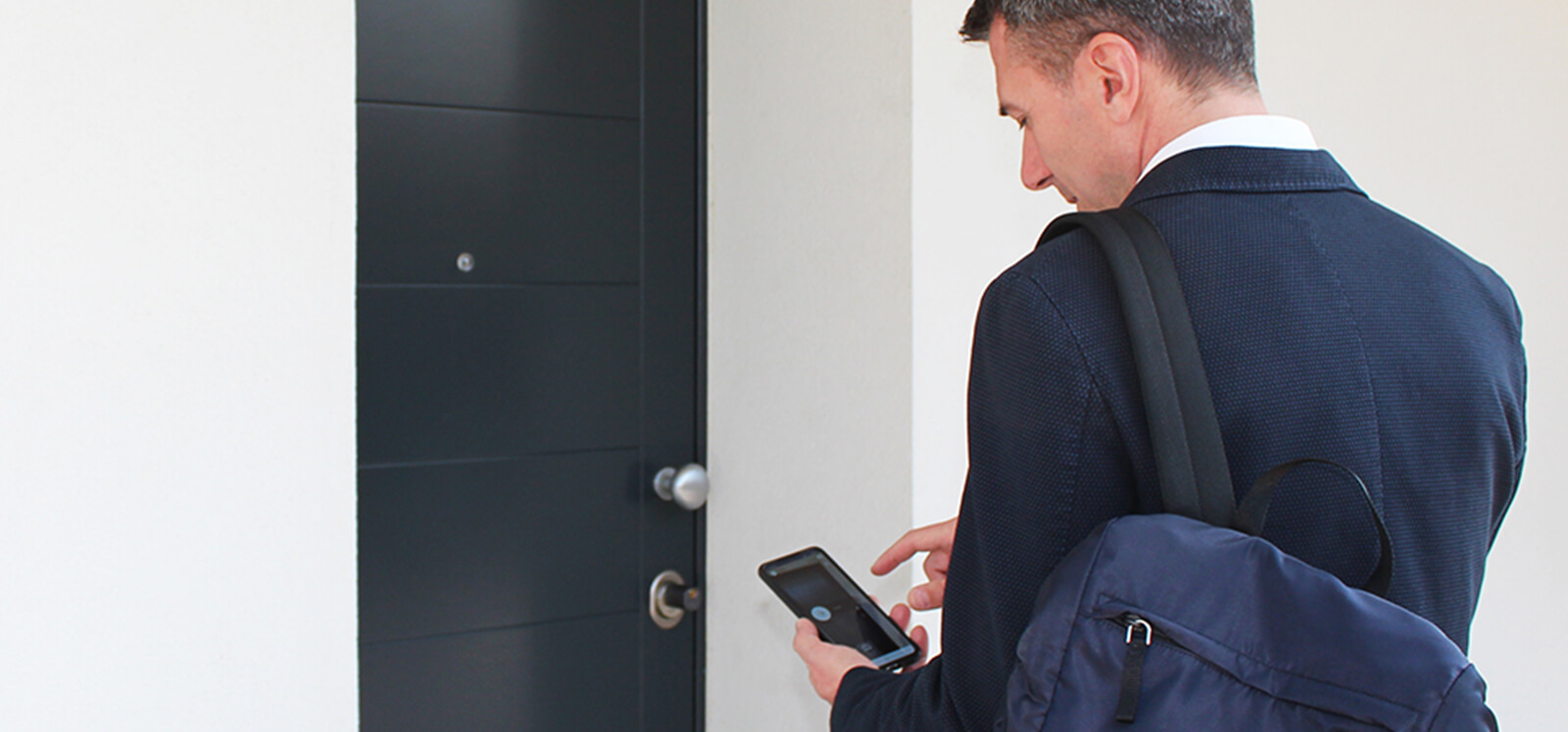
Alarms alert you. But who controls your house keys?
1Control DORY replaces just your door's euro cylinder: open from your phone, grant temporary revocable access and check the entry history. The mechanical key is always available. Check in seconds whether your door is compatible. One-off purchase, no subscription.
299,00€ from 249,00€ VAT included
- 1,500+ reviews on Amazon, Facebook and Trustpilot
- Secure payments
- 2-year warranty
What we don't claim
No smart device changes the physics of a break-in: burglary is a physical phenomenon, not a digital one. A smart cylinder governs keys; it does not stop a crowbar, and the resisting is done by the door, the frame, the glazing and the hardware from the sections above. We do not do surveillance either — no sirens, no cameras, no monitoring. Anyone who tells you one product protects a home is selling something; the honest claim is narrower: the key layer is real, it is the one no alarm covers, and it is the one we solve.
Home security while on holiday: when the house stands empty
An empty house is the opportunist's favourite, which is why police holiday advice is a genre of its own: put lights on timers, pause deliveries, clear the post, avoid posting live holiday photos to open profiles, and ask someone you trust to keep the place looking lived-in — bins out, curtains moved, a car occasionally on the drive. That trusted person is the detail the checklists gloss over: they need to get in. Handing over your keys and the gate remote for two weeks recreates the exact problem of the previous section.
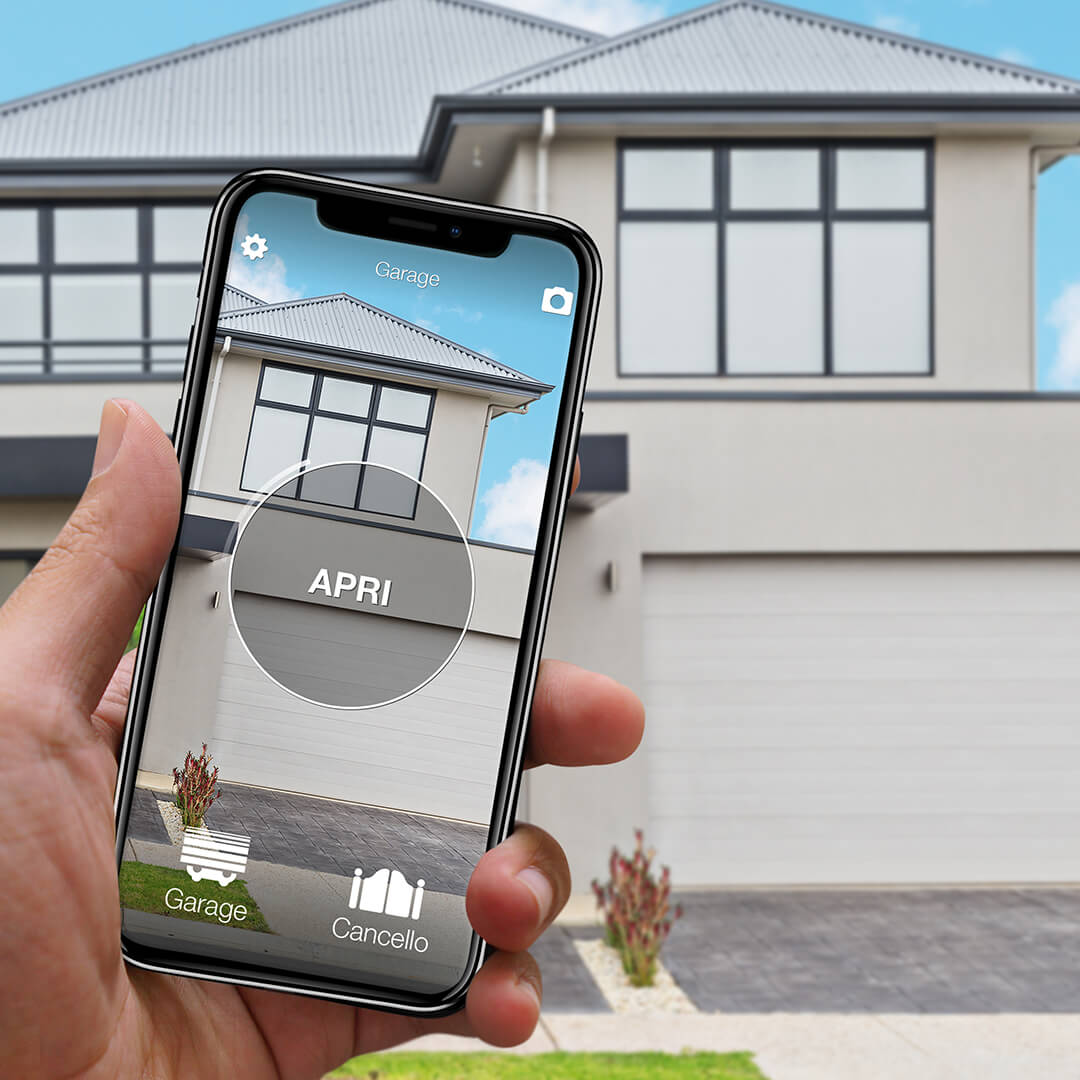
Access control does it cleanly. With DORY, the neighbour gets a digital key valid for the fortnight, and it expires on its own. For the driveway gate and the garage — the entrances a second home or a holiday changeover actually turns on — SOLO connects to the radio-controlled automation you already own, like one more remote control, and lets you share access free of charge by phone number and revoke it when you are back; with the LINK hub you open from any distance. Both are one-off purchases, with no subscription. For the full setup — second homes, guests, changeovers — the dedicated guide is our article on smart access for holiday lets and second homes.
Frequently asked questions
What do burglars hate the most?
Time, noise and uncertainty. Interviews with convicted burglars consistently rank the same things: locks and hardware that take too long to force, anything that draws attention — a barking dog, a gravel drive, an alarm sounding, strong lighting — and any sign that someone may be home or watching. Most burglars are opportunists working quickly; every measure that slows them down, exposes them or makes the outcome unpredictable pushes them towards an easier target.
What is the number one deterrent for burglars?
The impression that someone is home. In offender interviews, occupancy — lights, sound, a car on the drive, signs of movement — comes up more often than any single device, which is why police holiday advice concentrates on making an empty house look lived-in. Among physical measures, visible ones score highest: an alarm box, good locks and hardware, strong lighting. No deterrent works alone; the houses burglars skip combine an occupied look with hardware that promises a slow, noisy job.
How do I burglar proof my house?
In order of effectiveness: fit and use good locks on every door and window, upgrading weak cylinders and hardware first; make the house look occupied, with lights on timers and no visible signs of absence; add a visible alarm and outdoor lighting; secure the perimeter — side gates locked, ladders and tools put away, sheds secured; and control your keys — know who holds copies, never hide one outside, and treat gate and garage remotes as keys too. UK police crime-prevention guidance covers each step in detail. Total burglar-proofing does not exist, but this order of work reliably moves a house down the target list.
Are the keys you hand out a security risk?
Yes — they are the entry no one has to force. A metal key can be copied without your knowledge, lent on without your consent and lost without anyone telling you; a burglary committed with a key may leave no sign of forced entry at all, which can also complicate an insurance claim. The practical countermeasures: keep track of who holds copies, never hide a spare outside, retrieve keys when arrangements end, and remember that gate and garage remotes are keys too. A smart cylinder such as 1Control DORY replaces copies with digital keys you can limit in time and revoke, with the mechanical key kept as a fallback.
The bottom line
Protecting a home from burglary is not one purchase; it is a short list done in order. Mechanics first: cylinders, window locks, the side gate, the shed. Habits second: a house that looks lived-in, on holiday above all. Electronics third: a visible alarm chosen with clear eyes about monitoring and its costs. And keys always: know where every copy is, digital where it helps — the front door under permissions you can grant and revoke, the gate and garage shared by phone number instead of by plastic remote. The burglar's whole method is to find the house that makes it easy. Work down the list, and yours no longer does.